
Choosing between artificial grass and natural grass is a big decision for homeowners and commercial property owners alike. In Illinois, where weather swings from snowy winters to hot, humid summers, your lawn needs to perform year-round.
If you’re debating between traditional sod and synthetic turf, this guide breaks down the real differences in cost, maintenance, durability, and long-term value — so you can make the right investment for your property.
Climate Performance in Illinois
Illinois weather is demanding. Freezing winters, spring rain, summer heat, and heavy foot traffic can all take a toll on natural grass.
Natural lawns:
-
Struggle with drought and heat stress
-
Develop mud patches after heavy rain
-
Go dormant and brown during cold months
-
Require seasonal treatments and reseeding
Artificial turf, when professionally installed, is designed for year-round performance. It drains efficiently, maintains its color through winter, and stands up to heavy use.
Elite Turf Systems installs high-performance synthetic turf for both residential turf solutions and commercial turf solutions that are engineered to handle Midwest conditions.
Maintenance Requirements
One of the biggest differences between artificial and natural grass is upkeep.
Natural Grass Maintenance
Maintaining a healthy lawn typically requires:
-
Weekly mowing
-
Fertilization
-
Weed control
-
Aeration
-
Watering
-
Seasonal overseeding
-
Pest control
The time and cost add up quickly — especially for larger properties.
Artificial Grass Maintenance
Synthetic turf eliminates:
-
Mowing
-
Fertilizers
-
Pesticides
-
Irrigation systems
Occasional brushing and rinsing are typically all that’s needed. For busy homeowners and commercial property managers, that reduced maintenance can be a major advantage.
If you’re considering options in your community, you can explore turf installation services in areas like Naperville, Aurora, or Schaumburg.
Long-Term Cost Comparison
Upfront, natural grass appears less expensive. But long term, the math often shifts.
Natural Grass Costs Over Time
-
Water bills
-
Lawn care services
-
Fertilizers and chemicals
-
Equipment maintenance
-
Reseeding and sod replacement
Over 5–10 years, these recurring expenses can exceed the initial cost of installation.
Artificial Turf Investment
Artificial grass has a higher initial installation cost, but it significantly reduces ongoing expenses. Many property owners find the long-term savings compelling — especially when factoring in time saved.
Elite Turf Systems offers flexible financing options to help make professional turf installation more accessible.
Durability and Foot Traffic
If your lawn sees heavy use — kids, pets, entertaining, commercial visitors — durability matters.
Natural grass can quickly become:
-
Patchy
-
Worn down
-
Muddy in high-traffic zones
Artificial turf is designed to handle consistent activity without thinning or developing bare spots. That makes it ideal for:
-
Backyards
-
Dog runs
-
Play areas
-
HOA common spaces
-
Office complexes
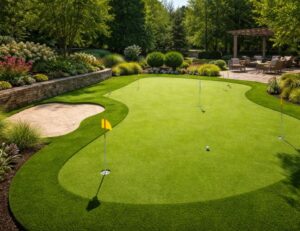
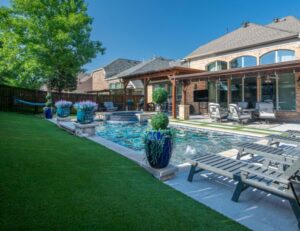
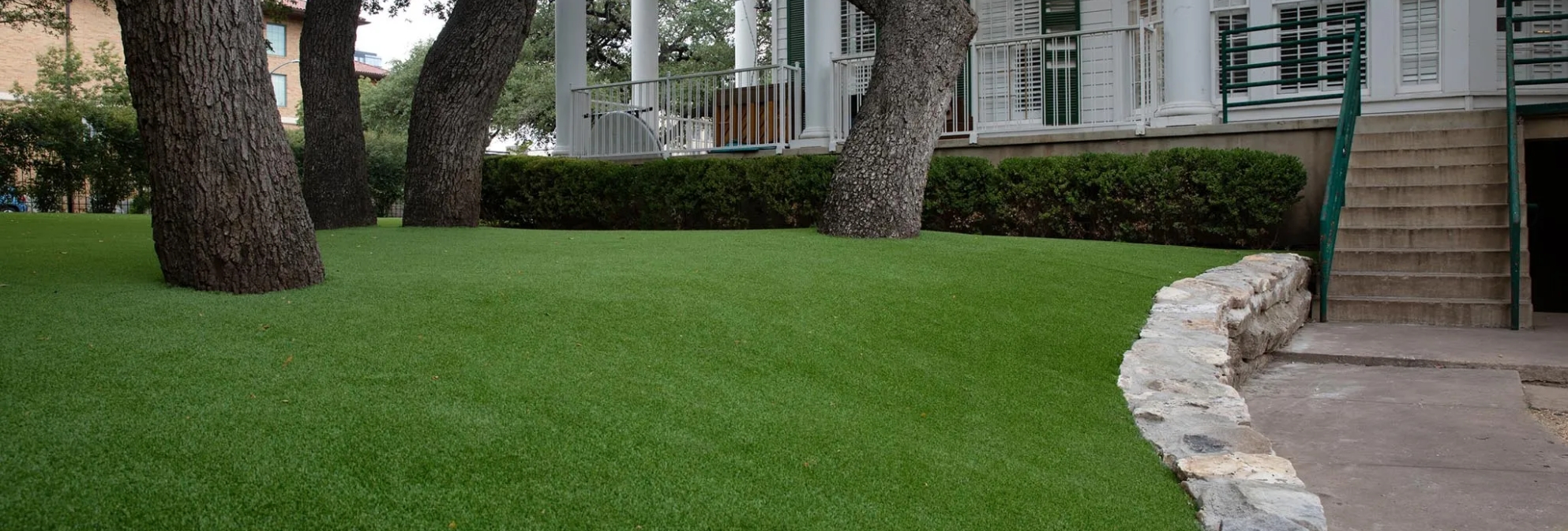
You can view completed installations in the company’s project gallery to see how synthetic turf holds up in real-world applications.
Environmental Considerations
There are trade-offs on both sides.
Natural grass contributes oxygen and supports soil ecosystems — but it also consumes water, fertilizer, fuel (for mowing), and chemical treatments.
Artificial turf eliminates irrigation and chemical use. Over time, many property owners reduce water consumption significantly. However, installation involves synthetic materials.
The best choice depends on your priorities: water conservation, reduced chemicals, or natural plant systems.
Curb Appeal and Property Value
A well-maintained natural lawn looks great — when it’s healthy. But seasonal browning, weeds, and patchiness can reduce curb appeal quickly.
Artificial turf offers:
-
Consistent green appearance
-
Clean edging
-
No bare spots
-
No seasonal dormancy
For both homeowners and businesses, that year-round visual appeal can enhance perceived property value and reduce maintenance headaches.
If you’re unsure which direction makes the most sense for your specific property, the team at Elite Turf Systems can walk you through product options available on their products page and recommend the right solution for your goals.
Which Option Is Right for You?
The decision ultimately comes down to:
-
Budget structure (upfront vs. ongoing costs)
-
Time available for maintenance
-
Property usage level
-
Long-term plans
-
Aesthetic preferences
For many Illinois homeowners and commercial property managers, artificial grass offers predictable costs, lower maintenance, and year-round performance.
If you’re ready to explore installation options or get a tailored recommendation, you can review all covered communities on the service areas page or request a consultation directly through the contact page.
TL;DR / Key Takeaways
-
Illinois weather can be tough on natural grass.
-
Artificial turf offers year-round performance and reduced maintenance.
-
Natural grass has lower upfront cost but higher long-term upkeep.
-
Synthetic turf is ideal for high-traffic residential and commercial spaces.
-
Financing options are available to make installation more accessible.
-
The right choice depends on your goals, usage, and budget.